www.cheetahbotswana.com

conserving the wild cheetah population of Botswana    


Our location

Our main office is located at Mokolodi Nature Reserve, close to the capital, Gaborone. We also have a base situated 169km to the west, in Jwaneng in the Southern Kalahari. A new base camp is situated in the Ghanzi farmlands, in the west of the country.

Formerly the British Protectorate of Bechuanaland, Botswana achieved full independence in 1966 following general elections held in 1965 which resulted in Seretse Khama becoming President of the new nation. It has continued to enjoy democratic governance since that time and was economically transformed by the discovery of diamonds in 1967. With a population of about 1.6 million people, Botswana covers an area of some 582,000 square kilometres and lies at an elevation of 1000m. The Kalahari is a semi-arid expanse which covers over 80% of the country.

Botswana's first human inhabitants were the San (known as Bushmen), who are believed to have inhabited this area of southern Africa some 30,000 years ago. Today, the Batswana inhabitants descend from a number of Tswana tribes and a multicultural society is further made up of immigrants from other southern African states, as well as from Europe, North America and Asia. The official languages are English and Setswana. The most widely spoken language is Setswana - the first language of about 90% of the population.

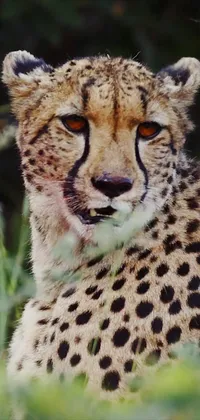
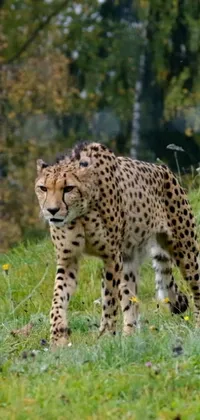
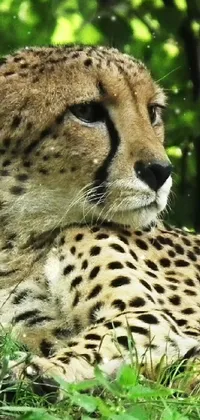
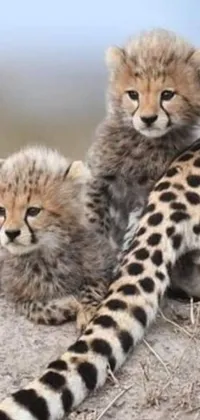
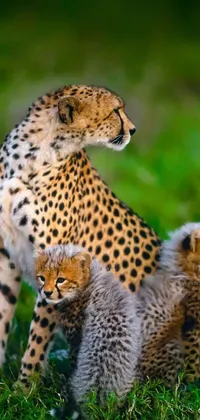
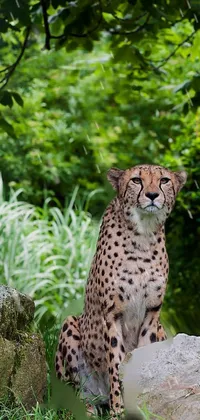
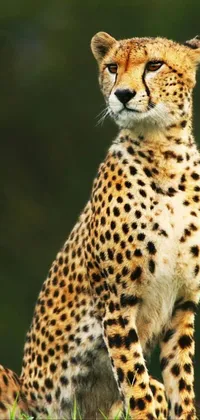
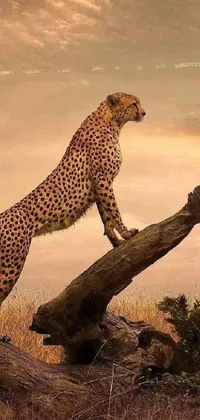
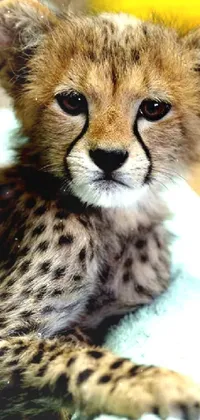
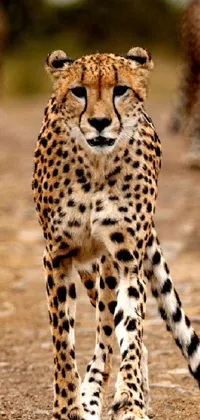
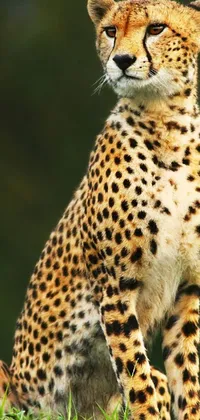
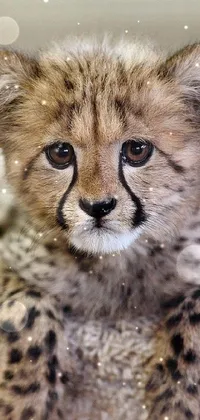
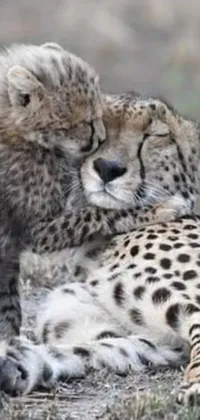
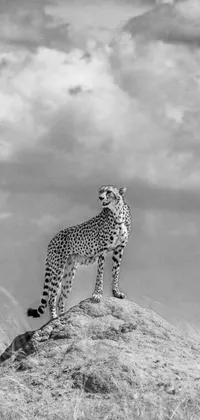
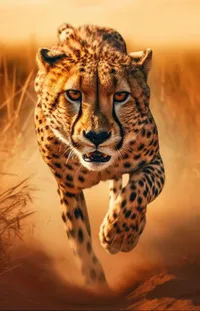
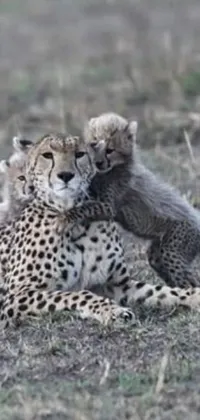
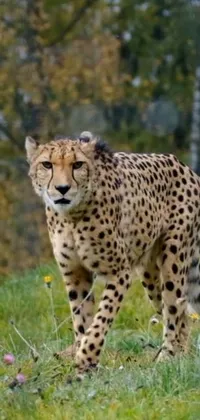
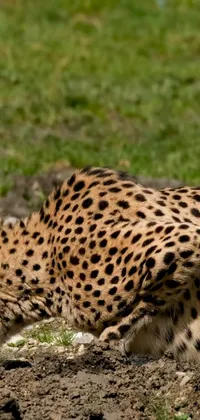
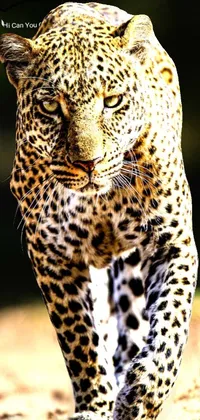
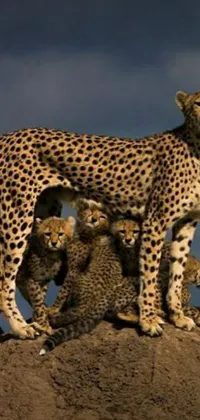
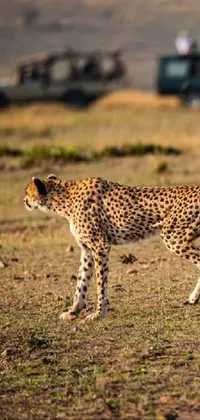
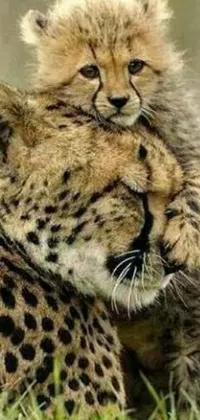
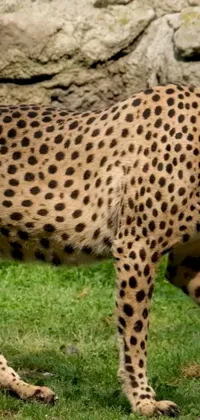
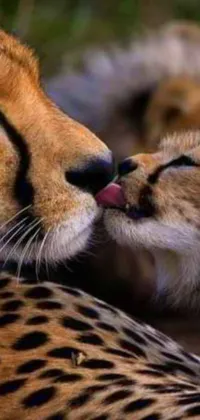
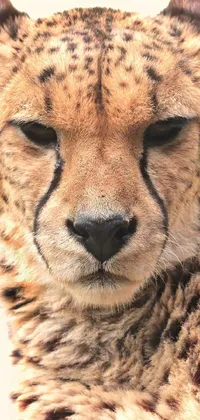
Wildlife is abundant in Botswana, taking advantage of the presence of varied ecosystems. Though most of the country is characterized by scrub brush and savanna grassland, there are also small areas forest. The Okavango Delta and Linyati wetlands, in the north, provide habitats for nearly all southern African mammal species. All the African cat species, large and small, are found here and Botswana is also one of the few remaining nations with resident populations of African Wild Dogs. The nation also boasts one of the largest remaining populations of free ranging cheetahs in Africa.