www.cheetahbotswana.com

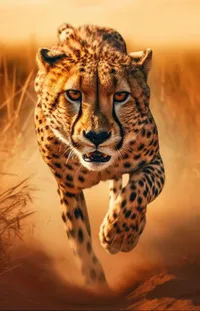
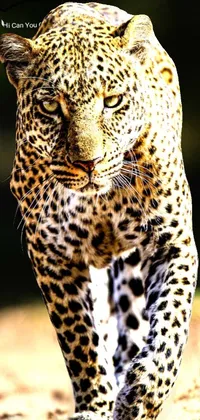
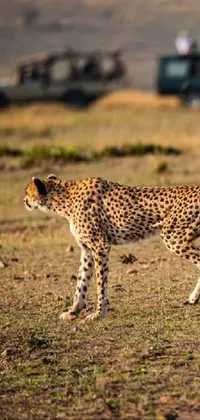
conserving the wild cheetah population of Botswana    


Our project

You can discover more about specific activities within the following programmes by going to the News page, updated at the end of each month. Additionally, you can also subscribe to our quarterly e-newsletter, Cheetah Tracks.

RESEARCH
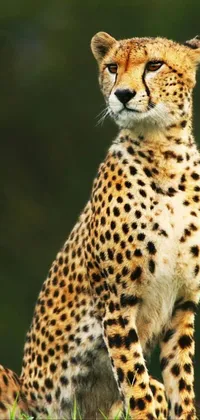
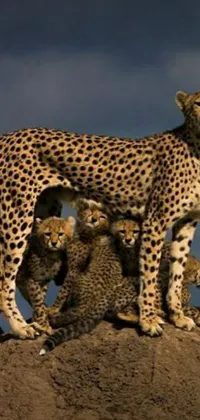
With the formation of CCB in October 2003 we embarked upon a status and distribution assessment of the cheetah population, so as to identify the highest priority areas in which to focus measures that address the issue of livestock/predator conflict. Primarily from our facility at Jwana Game Park in Jwaneng, but also from a base in the Ghanzi district, CCB conducts a programme of sampling and monitoring of the local cheetah populations to gather data on ecology, home ranges, behaviour,disease and genetic status. Orphaned cheetah cub rehabilitation (a first for Botswana) also forms part of the research programme, a process which can enable candidates to avoid a life of captivity and from which we can also learn a great deal.

Research is an important area of our work, informing our community and education programmes as well as contributing valuable scientific data to national government departments and the international cheetah conservation effort. One recent product of the the Research Programme is a new Cheetah Status Report for Botswana.

COMMUNITY OUTREACH
Agricultural and livestock farming continues to consume wildlife habitat across Africa. Predator attacks upon livestock or the perceived threat of such, have resulted in conflict on a scale which has identified human persecution and exploitation as the primary extinction threats to the cheetah. Loud enough to generate wider concern and to mobilize international conservation efforts, extinction warnings are nevertheless often barely audible or the potential consequences little understood by dispersed rural communities where, for example, the long term fate of the cheetah will eventually be decided.

CCB's Community Conservation staff and volunteers are based at Mokolodi Nature Reserve. They focus upon engaging with the many and varied stakeholders in affected communities, especially across the Southern District and Southern Wildlife Management Area's that experience locally elevated levels of complaint and livestock/predator conflict. Community and farm visits, interviews, workshops, seminars and livestock auctions are the conduits through which we positively engage with individual farmers, managers and local decision makers. We provide a growing range of good quality, user friendly resources to help communities to strengthen their understanding of predators and to become more effective in protecting their interests against them, avoiding lethal removal. More broadly, the programme fosters improvements in day-to-day farm management practices that can also bring wider benefits to individual farmers. CCB is also currently investigating the development of economic incentive programmes, such as Predator Friendly Beef and alternative livelihood schemes for rural communities.

EDUCATION
Our Community Education staff and volunteers are also based at Mokolodi. They have a full programme of school visits and workshops, through which they encourage and develop more enlightened attitudes towards predators amongst the younger generation. Visits to individual schools are supplemented by a programme of Teacher Training Workshops, to engage the support of education professionals in delivering predator awareness and education in their own classes.

Developed for children of all age groups and abilities and delivered through a range of interactive presentations, the role of predators in a healthy ecosystem is introduced and the cheetah placed in context with the other predators of Botswana. The schools programme aims to instill a sence of value and pride in the national cheetah population and we have developed a range of good quality teaching aids and educational resources, including a Predator Playground at Mokolodi Nature Reserve. Classroom supporting materials and new predator text books, the first of which, for Secondary level students, is due for publication in 2007, are now also becoming available.

 
our main office at Mokolodi (left) and our research camp at Jwaneng (right)